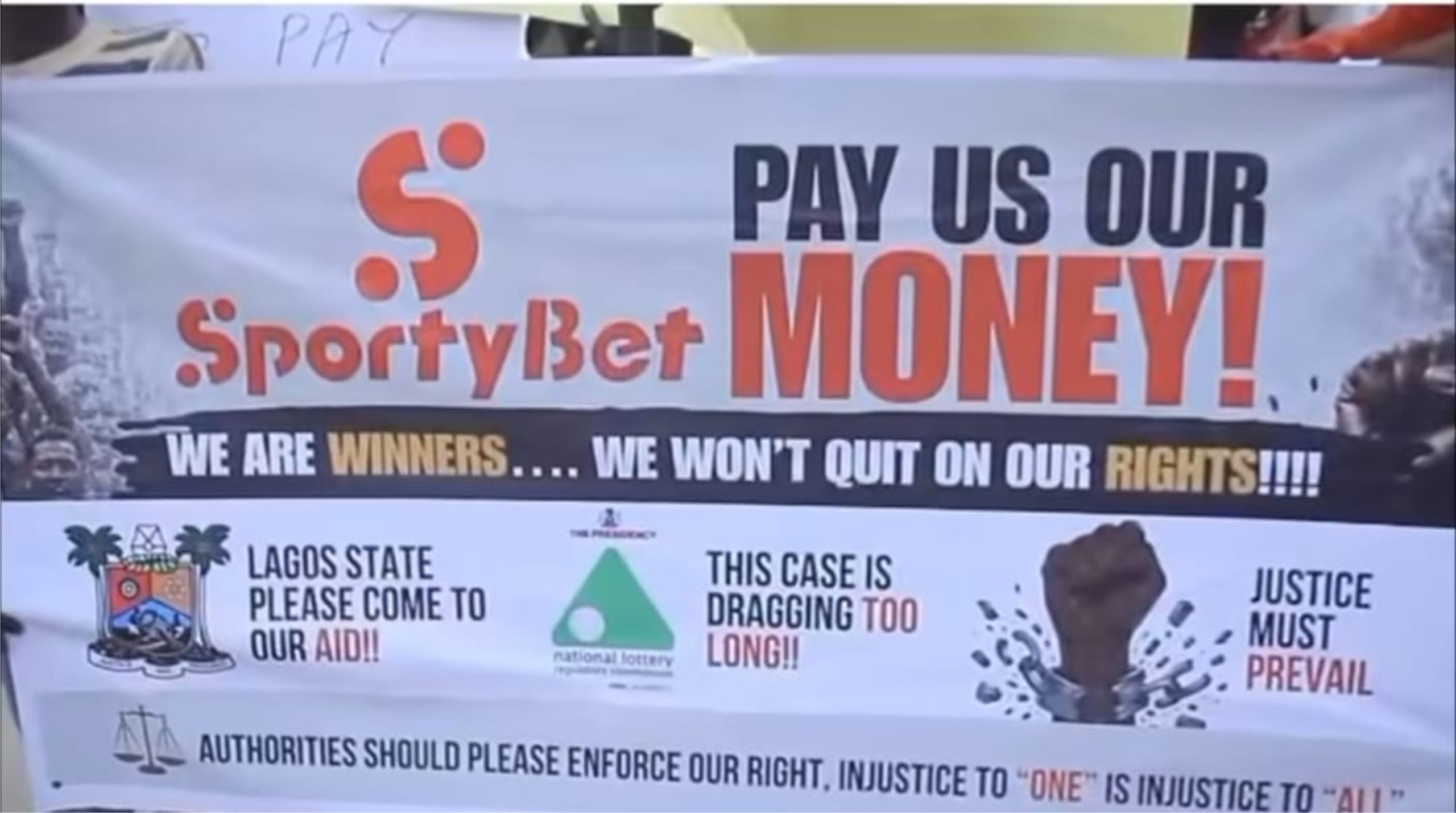
 A dispute involving SportyBet and 114 of its customers over winnings put at about N960.55 million has remained unresolved, more than two years after the betting company restricted the accounts of the affected users.
The customers, represented by Lagos-based Prolex Solicitors, have alleged that SportyBet withheld their winnings and deactivated their accounts after accusing them of using automated software, or “bot technology”, to manipulate its betting platform.
The affected customers have denied the allegation and maintained that the funds represented legitimate winnings. Their solicitor, Kunle Bamidele, said petitions were subsequently submitted to the Economic and Financial Crimes Commission (EFCC), the Police Special Fraud Unit, the Force Intelligence and Investigation Department, the Federal Competition and Consumer Protection Commission (FCCPC) and the National Lottery Regulatory Commission (NLRC), among other agencies.
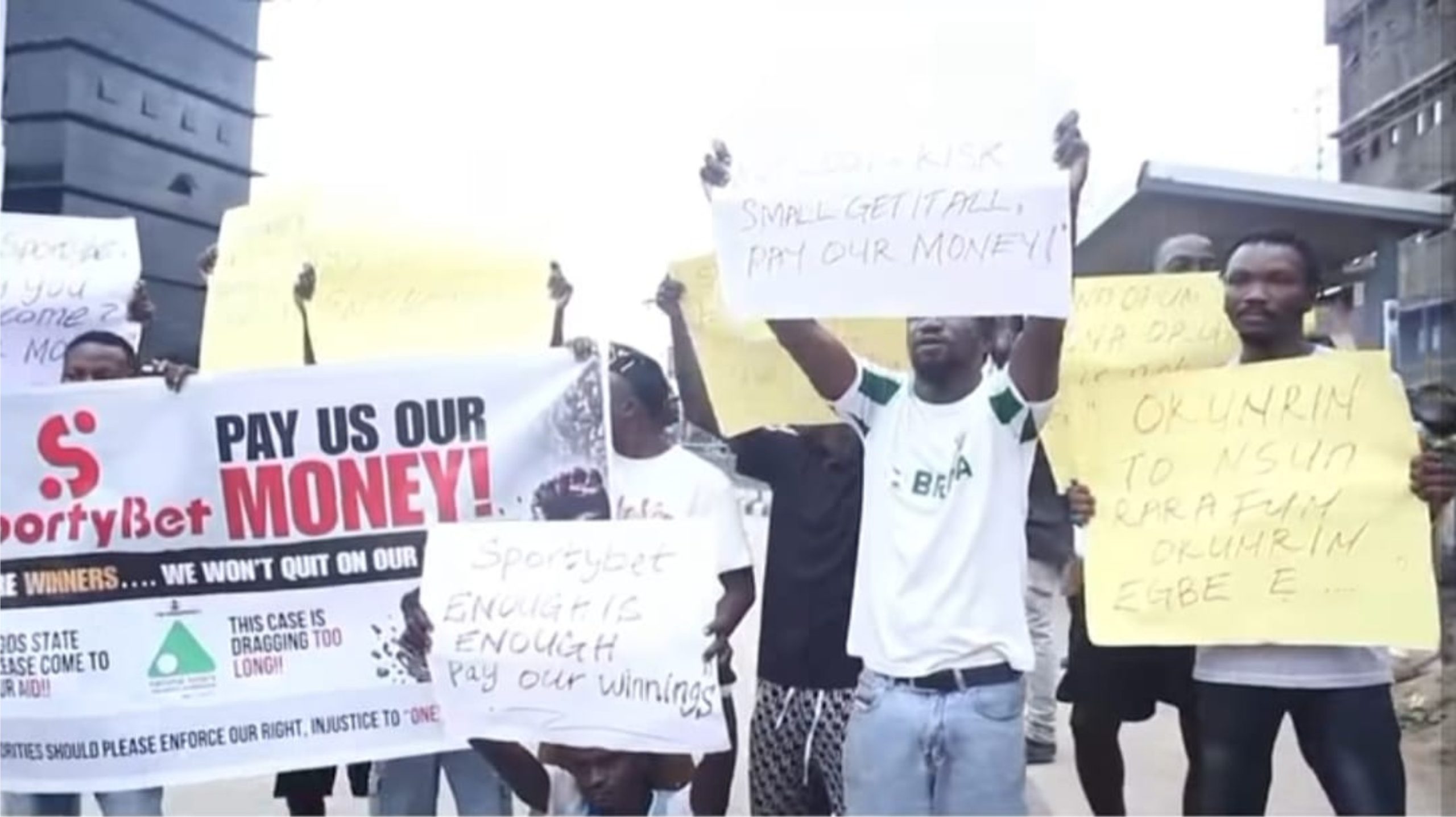 The dispute has, however, continued to attract attention because of the amount involved and the wider growth of sports betting and online gaming in Nigeria.
At the centre of the controversy is the question of whether the affected customers legitimately won the funds or whether their accounts were manipulated through automated betting systems, as alleged by SportyBet.
The customers have consistently rejected the allegation and complained that their accounts remained restricted despite complying with requests for additional documentation.
One of the affected customers, Anthony Anozie, reportedly said his account was locked after his balance rose to nearly N18 million. According to reports, he submitted documents requested by SportyBet, including his international passport, but said his account was not subsequently reopened.
Another customer, identified as Aleke Esther, also complained that her account remained frozen after she submitted bank statements and other documents requested by the company’s support team.
The customers’ complaints subsequently moved beyond their dealings with SportyBet, with the petitioners seeking intervention from regulatory and law-enforcement agencies.
SportyBet, on its part, has previously maintained that the accounts were restricted because of suspected fraudulent activity involving automated betting or manipulation of its platform. Reports from 2024 quoted the company as rejecting the allegations against it and questioning the motives behind the campaign by the affected customers.
The dispute also resulted in a legal battle. SportyBet approached the Lagos High Court seeking reliefs against the affected customers. The case was dismissed in November 2024 by Justice D.T. Olatokun, according to reports on the judgment. More recent reports in April 2026 said the court action had failed, while the separate dispute over the alleged unpaid winnings remained unresolved.
The dismissal, however, did not determine the central question of whether the N960.55 million claimed by the customers should be paid to them. That issue remains the subject of the wider dispute.
For the affected customers, the continuing uncertainty has raised questions about the effectiveness of the existing complaint and regulatory mechanisms in resolving disputes between betting operators and their patrons.
The matter has also highlighted the importance of transparency in the fast-growing gaming industry, where operators routinely hold substantial sums belonging to customers pending the outcome of bets and withdrawals.
SportyBet remains among the licensed sports-betting operators listed by Nigerian regulatory authorities. A regulatory list published in April 2026 included Sporty Internet Limited, the company behind SportyBet, among approved sports-betting operators.
For customers involved in the dispute, however, the issue is more immediate: access to funds they say they legitimately won.
More than two years after the accounts were restricted, the N960.55 million dispute therefore remains a contentious issue between the customers and SportyBet, with questions still surrounding the evidence behind the alleged use of automated betting systems, the status of the affected funds and the extent to which regulatory authorities have intervened.
Until those questions are conclusively addressed, the dispute is likely to remain a significant test of customer protection, transparency and confidence in Nigeria’s online betting industry.