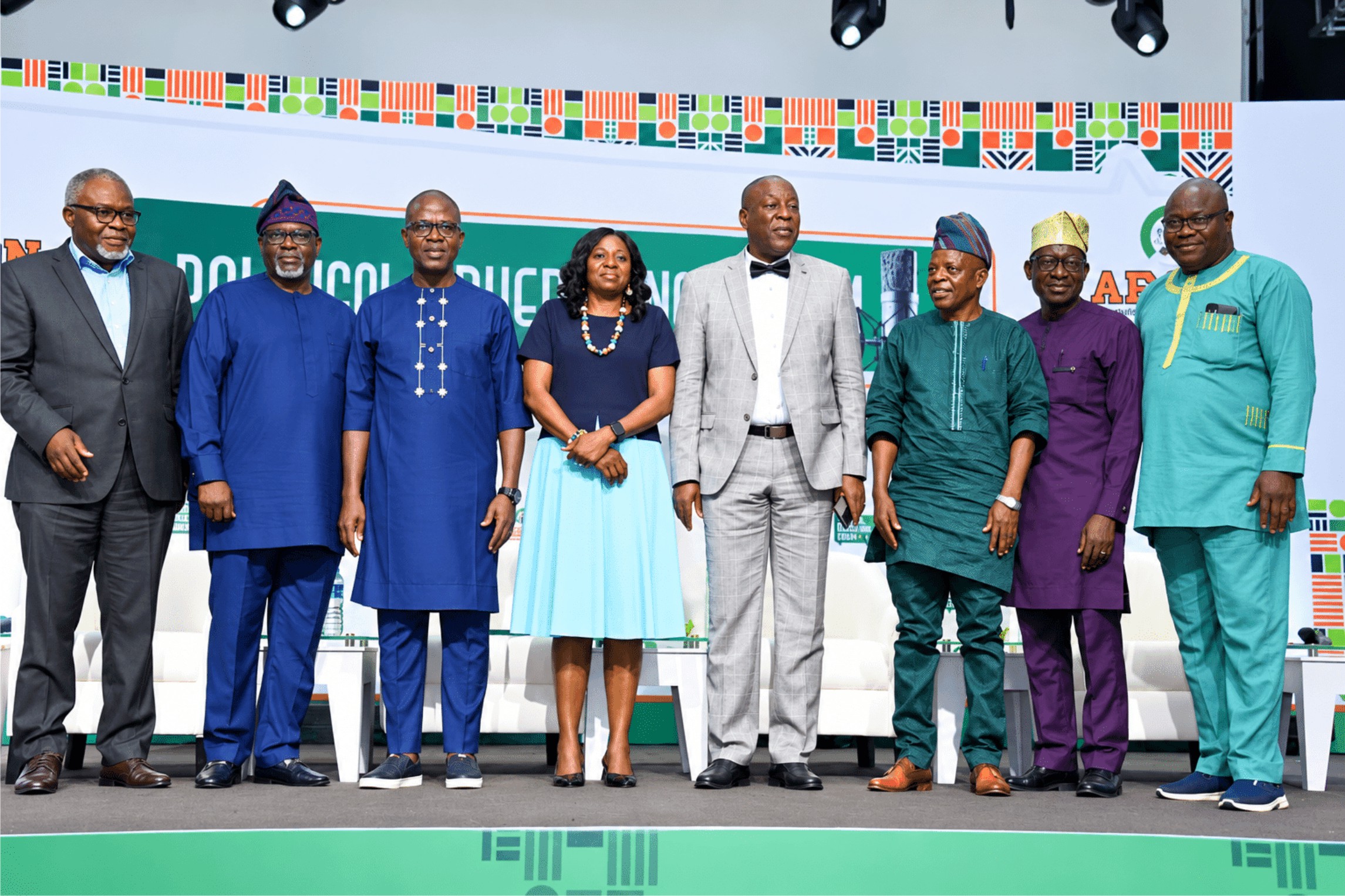
Nigerian politicians, political parties, campaign organisations, advertising agencies and media houses have been warned against publishing or displaying political advertisements without prior approval from the Advertising Regulatory Council of Nigeria (ARCON), as the country prepares for the 2027 general elections.
The warning came from Barrister Charles Odenigbo, Director-General of the Centre for Media Law and Development (CMLD), who declared that individuals and organisations that violate Nigeria’s advertising laws could face prosecution and risk being branded ex-convicts if convicted.
Odenigbo delivered the strong message at the Political Advertising in Nigeria: Regulations, Compliance and Enforcement Forum organised by ARCON in Lagos on Tuesday, October 20, 2026. He spoke during a keynote address titled Political Advertising Campaigns in Nigeria: The Regulatory Guidelines and Compliance Obligations, where he stressed that political influence, financial power and personal connections would not excuse violations of the law.
The legal practitioner, who is also a renowned advertising professional, maintained that Nigeria’s political advertising landscape must be governed by strict compliance with existing laws, warning that the era of treating regulatory requirements as mere formalities was over.
Speaking during the panel discussion, Odenigbo said he would prosecute offenders without discrimination if appointed to preside over a tribunal handling advertising offences.
He insisted that the law must apply equally to all political actors, regardless of their status, party affiliation or connections, warning that the growing intensity of political competition ahead of the 2027 elections must not become an excuse for unlawful campaign practices.
According to him, the Advertising Regulatory Council of Nigeria Act, 2022, the Nigerian Code of Advertising Practice, the Electoral Act and the Nigeria Broadcasting Code establish clear obligations that political advertisers and media organisations must respect.
He explained that political advertisements must receive approval from the Advertising Standards Panel (ASP) before being exposed to the public, whether through billboards, posters, radio, television, newspapers, social media platforms or other digital channels.
Odenigbo warned that the requirement applies to both traditional and emerging media, including Facebook, X, Instagram, TikTok and WhatsApp, where political messages can spread rapidly to millions of people before regulatory authorities can intervene.
He noted that the increasing use of digital platforms, coupled with intense political rivalry and the financial interests associated with election campaigns, could make the 2027 election cycle a major test of compliance for the advertising industry.
“The law is the law,” he stressed, maintaining that neither popular candidates nor incumbent officeholders could claim exemption from the rules governing political advertising.
The CMLD director-general further argued that regulatory responsibility should not be limited to the media organisation that publishes an advertisement. He urged stakeholders to pay closer attention to those who sponsor, commission, authorise, finance, coordinate media purchases or benefit from political advertisements.
He said clear contractual agreements among sponsors, advertising agencies, media owners, influencers, media buyers, consultants and other service providers would help establish their respective responsibilities and liabilities in the event of legal disputes.
Odenigbo also outlined the standards political campaigns must observe, insisting that advertisements should focus on policies, programmes, achievements and issues of public interest rather than personal attacks against opponents.
He cautioned against false or misleading claims, defamatory statements, fabricated endorsements, manipulated evidence and inflammatory messages capable of provoking hostility or undermining peaceful coexistence.
The keynote speaker also warned against the exploitation of religious, ethnic, tribal, regional or sectional sentiments for electoral advantage, noting that such practices could threaten national cohesion and public order.
He emphasised that broadcasters must comply with the Nigeria Broadcasting Code’s requirements for fairness, balance and equal opportunity, while political campaigns must respect the prescribed campaign silence period, during which partisan political advertising must end no later than 24 hours before polling day.
Odenigbo acknowledged concerns surrounding state-level outdoor advertising permits and fees, citing controversies over reported charges in Abia State, where presidential candidates were said to face fees of ₦200 million and governorship candidates ₦150 million.
He noted concerns that excessive permit charges could place an unfair burden on opposition candidates and restrict their ability to communicate with voters. However, he maintained that such concerns did not justify disregarding the federal advertising regulatory framework.
Earlier, ARCON Director-General, Dr Olalekan Fadolapo, who also represented the Minister of Information and National Orientation, Mohammed Idris, said the forum was convened to improve stakeholders’ understanding of the laws governing political advertising and encourage greater cooperation among relevant institutions.
Fadolapo explained that the engagement followed a directive from the minister for regulatory agencies under the ministry to engage political stakeholders, security agencies, electoral authorities and other relevant groups on issues surrounding the forthcoming elections.
He reiterated that ARCON’s mandate was to ensure that advertising in Nigeria remained legal, decent, truthful and responsible, particularly during a politically sensitive period when campaign messages could significantly influence public opinion and national stability.
The ARCON boss expressed concern over the proliferation of posters and campaign materials that, rather than communicating the substance of candidates’ manifestos, were increasingly being used to attack political opponents.
He warned that such practices could inflame tensions and undermine public peace if left unchecked, adding that the council was working with other regulatory authorities and security agencies to strengthen enforcement and close loopholes in the system.
Fadolapo therefore appealed to political parties, politicians and campaign organisations to submit their advertisements for approval before publication, warning that violations during election periods required a firm regulatory response.
Providing further insight into the approval process, Chairman of the Advertising Standards Panel, Dr Emmanuel Agu, explained that political advertisements undergo the same basic vetting procedures as other advertising materials.
Agu said advertisers were required to submit their materials to the panel, whose 17-member committee examines submissions against applicable guidelines and legal requirements. He also disclosed that the system provides for the vetting of advertisements within four hours, a provision that could help political campaigns operating under tight schedules meet regulatory obligations.
He referenced the ARCON Act, particularly Section 53, as part of the legal framework governing the panel’s operations, while emphasising the importance of ensuring that advertisements meet established standards before public exposure.
Agu also called attention to emerging challenges associated with artificial intelligence in political advertising. He proposed updating the vetting checklist to require evidence of consent from real individuals whose likenesses appear in campaign materials, as well as verification of source data for AI-generated images.
He further recommended mandatory human oversight and sign-off on AI-generated advertising materials, with the involvement of registered advertising practitioners.
The ASP chairman also proposed the creation of an artificial intelligence social-listening unit within ARCON or the panel to monitor platforms such as Meta, TikTok and Google’s advertising library for political advertisements targeted at Nigerian audiences without the required approval.
He argued that the regulatory framework must also clarify liability where AI tools are used to produce harmful or misleading campaign content, while advocating appropriate training, certification, faster sanctions and a public register of offenders.
Meanwhile, the representative of the Independent National Electoral Commission (INEC), Badejo Babalola, called for the support of all stakeholders in ensuring that the electoral process was successful and peaceful.
Babalola called for collective support to ensure a peaceful electoral process, stressing the need to discourage hate speech and inflammatory political rhetoric. “We need to survive this election, and we need support; we don’t need hate speech,” he said.
Representing the Commandant of the Nigeria Security and Civil Defence Corps, Dayo Keshinro, Assistant Commandant Segun Adeogun also urged participants to deliberate on measures that would promote peaceful elections, stressing the important role of security agencies in supporting the electoral process.
In his goodwill message, Chairman of the Heads of Advertising Sectorial Groups (HASG), Lanre Adisa, reaffirmed the advertising industry’s commitment to responsible, ethical and professional political communication.
Adisa argued that regulation should not be viewed solely as a mechanism for punishment but also as a means of encouraging better communication practices and strengthening public confidence in advertising.
He called for a lasting culture of responsible advertising that would extend beyond the 2027 elections, urging political actors and industry practitioners to embrace compliance as a shared responsibility rather than a burden imposed by regulators.
The forum brought together representatives of political parties, advertising agencies, media organisations, regulatory bodies, electoral authorities, security agencies and other industry stakeholders to examine the rules governing political communication ahead of the elections.
With political campaigns expected to intensify as the 2027 general elections approach, the central message from the Lagos gathering was unmistakable: political advertising must operate within the boundaries of the law, and those responsible for unlawful advertisements could face serious consequences.
For politicians, campaign managers, advertisers and media organisations, the challenge now is to balance the need to persuade voters with the obligation to promote truthful, fair and responsible communication. As ARCON and its partners signal a tougher enforcement posture, stakeholders have been urged to secure the necessary approvals, avoid divisive messaging and ensure that the contest for political power does not come at the expense of democratic stability.