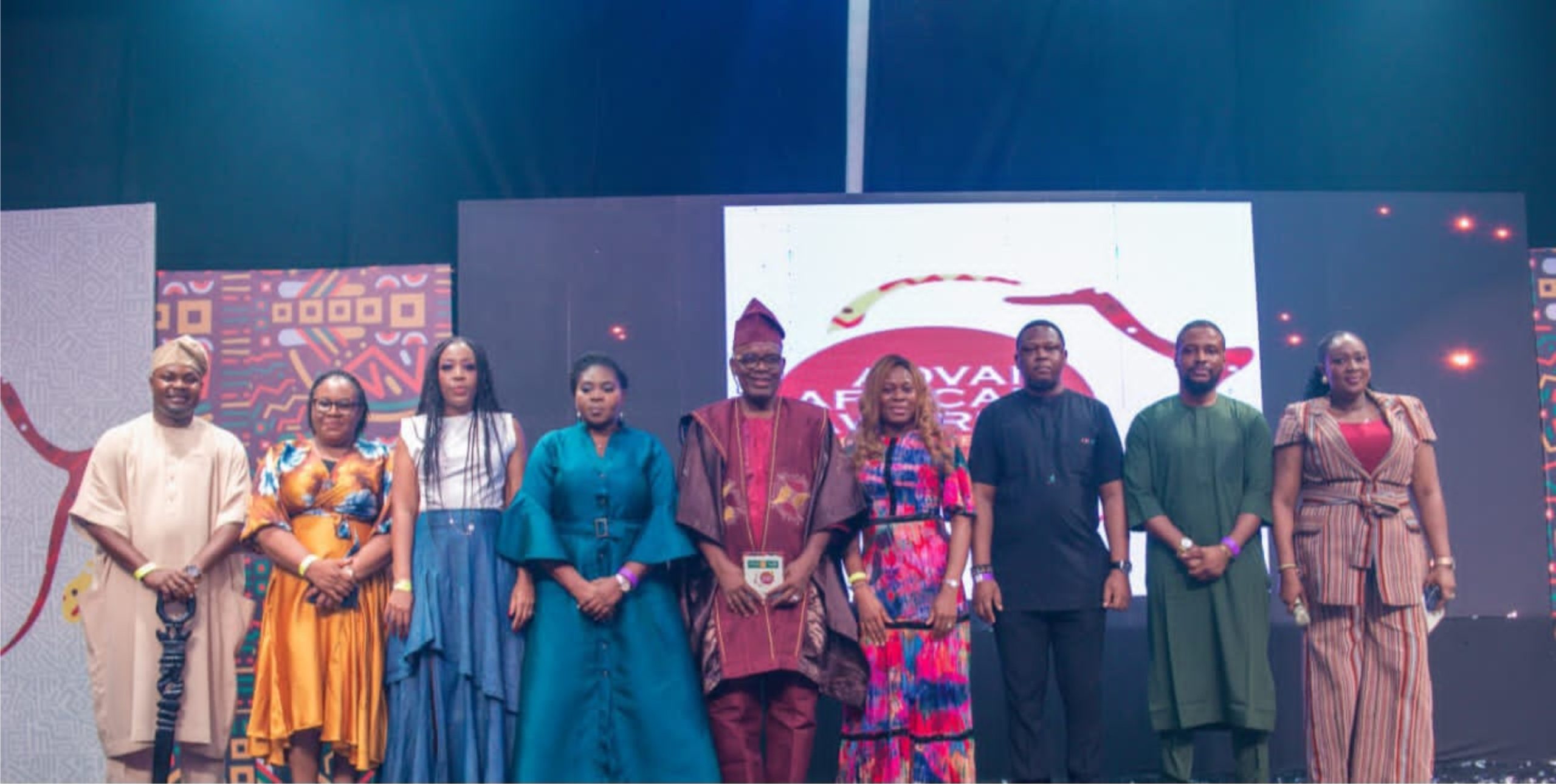
A powerful call for brands to rethink their role in a rapidly evolving creative landscape took center stage at the ADVAN African Awards for Marketing Excellence 2026, as Obafemi Banigbe, Chief Executive Officer of T2, delivered a keynote highlighting culture as the driving force behind modern marketing.
The event opened with a compelling welcome address from the President of Advertisers Association of Nigeria, Osamede Uwubanmwen, who set a unifying tone by emphasizing the importance of recognizing the people and partnerships that power the marketing ecosystem. He highlighted the value of community acknowledgment, noting that progress in the industry is built on the collective contributions of professionals across markets and disciplines.
Uwubanmwen also underscored the power of dialogue, encouraging stakeholders to engage openly, share ideas, and learn from one another. He described the awards platform not just as a celebration of excellence, but as a space for continuous learning, mutual respect, and meaningful collaboration. “Our strength lies in our willingness to listen, recognize contributions, and grow together as a community,” he emphasized, calling on attendees to actively participate and exchange insights throughout the event.
Speaking on the theme, “Culture is the New Infrastructure,” Banigbe underscored how Nigeria’s creative economy is fundamentally reshaping how brands connect with consumers, distribute value, and remain relevant in an increasingly decentralized media environment.
According to Banigbe, traditional brand-controlled narratives are giving way to a more fragmented system where influence is shared between consumers, creators, and communities. Social media platforms and everyday content creators now play a decisive role in shaping purchasing decisions; often more effectively than brands themselves.
To illustrate this shift, Banigbe referenced viral Nigerian content; from food clips featuring Amala, Boli, and Shawarma to grassroots cultural showcases like the Oju Oba Festival—demonstrating how unbranded, organic storytelling can drive massive engagement and real-world consumer action.
“Marketing has changed forever,” Banigbe noted, challenging brand owners to reconsider their place within cultural conversations.
Rather than attempting to lead culture, brands must now learn to follow it—participating authentically in narratives already being shaped by creators and audiences.
However, Banigbe also spotlighted a critical gap within the ecosystem: monetization. Despite the global reach and influence of Nigerian creators, many struggle to generate sustainable income from their work. He described this as a systemic issue, pointing to the fragility of existing revenue models heavily reliant on external platforms such as YouTube and streaming services.
Recent uncertainties surrounding these platforms, Banigbe warned, highlight the urgent need for locally relevant infrastructure that can support creators more reliably.
To address these challenges, Banigbe called on brand leaders and industry stakeholders to invest in systems that enable better monetization and distribution. Proposed solutions included structured “creator bundles” and layered monetization frameworks designed to ensure long-term sustainability for creative talent.
The keynote concluded with a forward-looking message: Nigeria’s creative economy holds immense potential, but unlocking it will require intentional collaboration, infrastructure development, and a renewed commitment to empowering creators at the heart of cultural production.
Echoing this sentiment, Uwubanmwen’s opening remarks reinforced the importance of community-driven growth, urging industry players to not only celebrate excellence but also support one another’s development. He encouraged attendees to embrace the opportunity to learn, connect, and contribute to shaping the future of marketing across Africa.