Nigeria’s economy in 2025 sits at a fragile crossroads, grappling with persistent revenue shortfalls, declining industrial productivity and an unemployment rate that continues to undermine household stability. The manufacturing sector, one of the nation’s last strongholds of structured employment faces escalating pressures from policy inconsistencies and regulatory uncertainty. Each shift in government directives has a cascading effect on factories, supply chains and the broader investment environment.
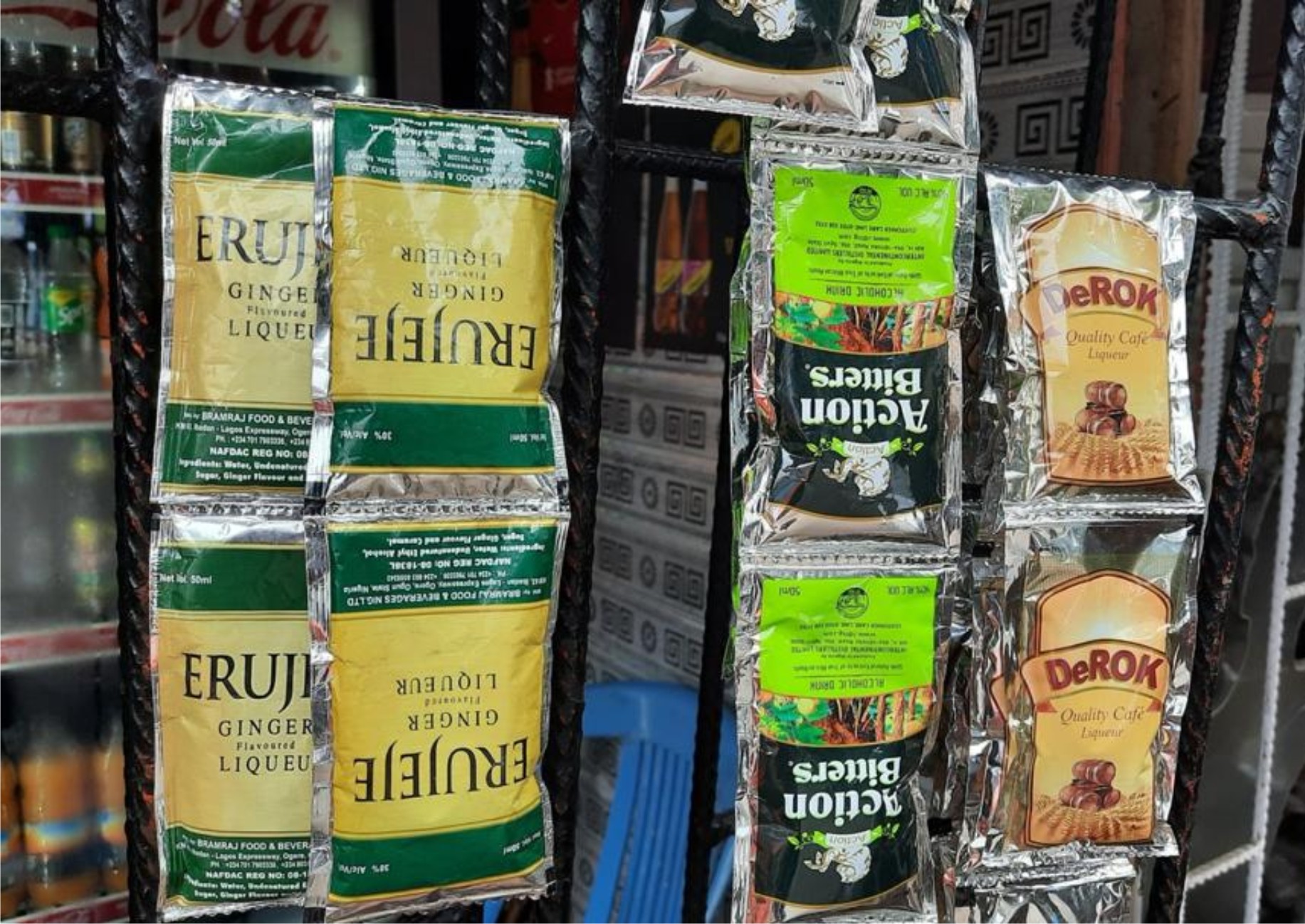
A major contributor to the country’s fiscal struggles is the shrinking tax base resulting from declining production and factory closures. The alcoholic-beverages segment, particularly sachet and PET-packaged products, has historically generated substantial tax revenue while supporting an extensive network of distributors, retailers and service providers. In an economy battling to stabilise its finances, disruptions to such a revenue-rich sector pose serious risks.
At the consumer level, inflation-driven erosion of purchasing power has increased reliance on affordable, portion-controlled products, including sachet beverages. Eliminating these regulated options without providing viable alternatives threatens to expand the illicit alcohol market; an underground economy that evades taxation, endangers public health and undermines formal sector businesses. Nigeria’s past experience shows that abrupt bans rarely eliminate consumption but instead embolden unregulated operators.
Beyond revenue and public safety concerns, Nigeria’s attempt to position itself competitively under the African Continental Free Trade Area (AfCFTA) is jeopardised by abrupt policy changes. Domestic manufacturers already struggle against cheaper imports and inconsistent regulations further weaken their competitiveness. Any policy capable of disrupting value chains, eliminating jobs, or discouraging investment must therefore be examined through an economic lens as much as a regulatory one.
It is against this economic backdrop that the current controversy surrounding NAFDAC’s proposed ban on sachet and small PET-bottle alcoholic beverages has drawn sharp reactions from key industry stakeholders most notably, the Manufacturers Association of Nigeria (MAN).
Industry Shock Over Policy Reversal
The Manufacturers Association of Nigeria (MAN) has raised strong objections to the directive issued by the National Agency for Food and Drug Administration and Control (NAFDAC) mandating a total ban on sachet and small PET-bottle alcoholic beverages by 31 December 2025. The Senate’s reaffirmation of the directive on 6 November 2025 intensified industry concerns, prompting MAN to describe the development as abrupt, misaligned, and inconsistent with prior government-industry negotiations.
Contradiction of Established Agreements
Speaking for the Association, MAN’s Director General, Segun Ajayi-Kadir, stated that the decision contradicts the earlier one-year extension granted by the Ministry of Health to allow for comprehensive stakeholder engagement and validation of the draft National Alcohol Policy. He emphasised that such a major policy change should have been preceded by public hearings and technical consultations; steps taken by the House of Representatives but bypassed by the Senate.
Multi-Stakeholder Recommendations Ignored
Ajayi-Kadir highlighted that a multi-stakeholder committee including NAFDAC had already addressed the sachet alcohol issue in October 2025. This committee validated the National Alcohol Policy and recommended measures such as stricter enforcement by law-enforcement agencies, regulated liquor outlet licensing across LGAs, enhanced compliance checks, and nationwide education campaigns to deter underage drinking. He noted that multiple government-commissioned studies debunked claims of widespread underage consumption.
Economic Consequences of the Proposed Ban
According to MAN, the proposed ban threatens over ₦1.9 trillion in investments mostly by local manufacturers and could lead to the loss of 500,000 direct jobs and nearly five million indirect jobs. Ajayi-Kadir warned that eliminating regulated sachet products will push consumers toward illicit and unsafe alternatives, while also enabling foreign smuggled alcoholic brands to penetrate the market at the expense of domestic producers and government revenue.
Call for Evidence-Based Regulation
MAN urged the Senate to rescind its directive and called on NAFDAC to halt enforcement of the ban. Instead, the Association advocated for the swift adoption of the validated National Alcohol Policy, arguing that evidence-based, multi-sectoral frameworks offer a more sustainable and economically responsible approach. Ajayi-Kadir reiterated the industry’s commitment to regulatory compliance, responsible consumption campaigns and collaboration with authorities while cautioning that emotionally driven policies endanger livelihoods and destabilise the economy.