Concerns over the escalating spread of counterfeit alcoholic beverages in Nigeria took centre stage at a recent industry-media engagement, with stakeholders warning of its far-reaching economic and public health consequences.
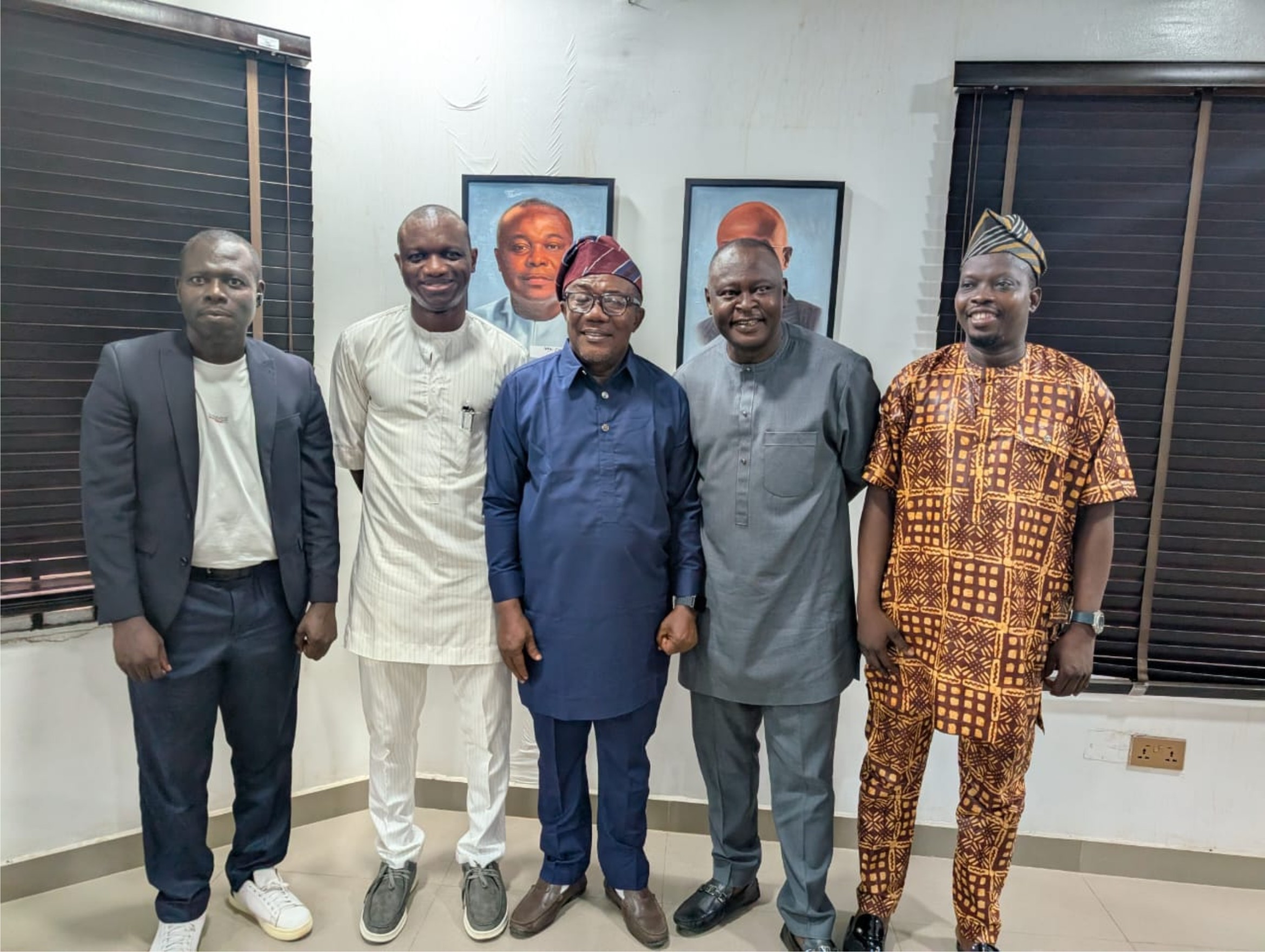
At the Brand Journalists Association of Nigeria (BJAN)’s monthly breakfast roundtable held on Friday, March 27, 2026, in Lagos, the Director-General of the Spirits and Wines Association of Nigeria (SWAN), Tony Okwoju, called for stronger collaboration with journalists in addressing the growing menace of illicit alcohol trade.
The session served as an avenue for SWAN to engage the media on the importance of accurate and responsible reporting in exposing illegal trade activities. Okwoju stressed that beyond informing the public, the media has a critical role in safeguarding the industry, protecting consumers, and drawing attention to the substantial revenue losses incurred by the government due to the proliferation of counterfeit products.
He also used the opportunity to announce a one-day stakeholders’ workshop scheduled for April 22, 2026. The event is expected to convene enforcement agencies, regulatory bodies, and other critical stakeholders to deliberate on practical strategies to combat illicit trade in Nigeria.
According to SWAN, an umbrella body comprising major producers, importers, and marketers of spirits and wine beverages, the planned workshop has become imperative in response to the surge in counterfeit products across the country. The association described the situation as a significant tripartite threat, noting that it not only depletes government revenue but also jeopardises billions of naira in private sector investments while posing grave risks to public health.
Quoting a Deloitte report, Okwoju revealed that Nigeria loses an estimated ₦472 billion annually to illicit alcohol trade, which accounts for approximately 40 per cent of the market share. He emphasized that these losses are compounded by the severe health implications associated with consuming adulterated alcoholic products.
Highlighting the dangers, Okwoju warned that illegal manufacturers are increasingly resorting to the use of methanol, a toxic industrial alcohol in place of ethanol when producing counterfeit spirits. He explained that methanol is colourless and flavourless, making it extremely difficult for consumers to detect in beverages.
Unlike ethanol, which is safe for human consumption in regulated quantities, methanol is highly dangerous and can lead to permanent blindness, organ failure, or immediate death.
“These counterfeiters are not just faking brands; they are killing people,” he stated.
The SWAN Director-General further identified low public awareness of the dangers associated with illicit alcohol and weak enforcement mechanisms as major factors enabling the trade to thrive, particularly in key commercial hubs across Nigeria.
To address the challenge, he outlined measures already being implemented by the association and its members to sanitise the industry. One such initiative is the aggressive recovery and recycling of used bottles, aimed at cutting off a primary supply channel for counterfeiters.
Okwoju explained that criminal syndicates often scavenge high-end dumpsters, bars, and nightclubs to collect empty branded bottles, which are then refilled with substandard and potentially toxic mixtures for resale. In response, major manufacturers now deploy teams to bars and nightlife venues nationwide to retrieve and crush their empty glass containers.
Despite the additional costs incurred by companies, he noted that the recovered bottles are sent to specialised recycling plants to ensure they cannot be reused in the illicit trade chain.
Reiterating the purpose of the April 22 workshop, Okwoju said it would bring together key stakeholders, including government agencies and regulatory authorities, to develop coordinated and sustainable solutions to the rising incidence of counterfeit alcoholic beverages in the country.
In his remarks, BJAN Chairman, Daniel Obi, described the engagement as a reflection of the growing collaboration between the media and industry associations. He noted that such partnerships are essential for promoting excellence, responsibility, and sustainable growth within Nigeria’s beverage sector.
“Today’s engagement provides a valuable platform for dialogue, an opportunity to exchange ideas, strengthen relationships, and explore ways we can collectively enhance industry standards, improve public perception, and support responsible consumption across the country,” Obi said.
He added that BJAN remains committed to working with organisations like SWAN to amplify positive narratives and contribute meaningfully to national development.